Industry Trends
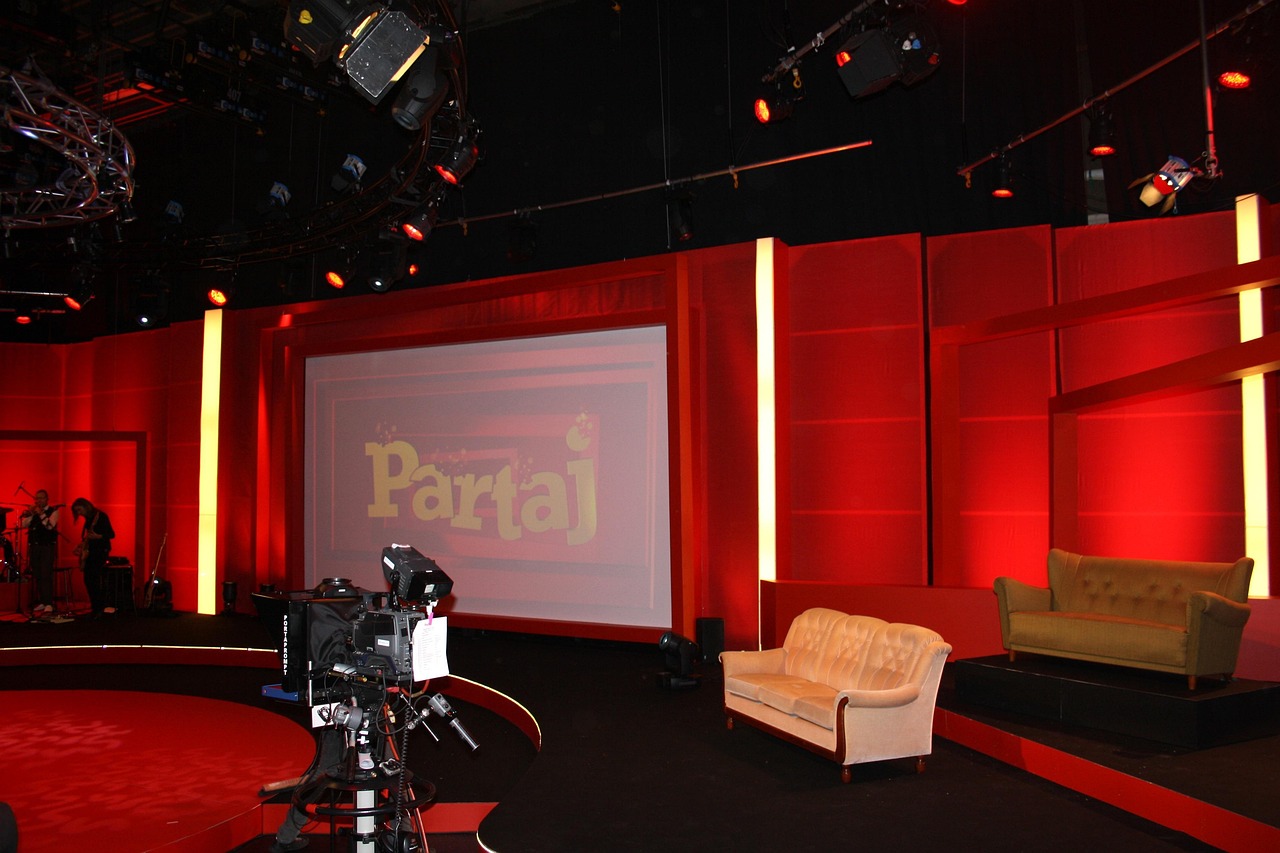
Reality television has always carried a reputation problem. It's the genre people watch and then apologize for watching, the one critics treat as a guilty pleasure at best and a cultural pollutant at worst. But something has shifted over the past few years, and it's worth paying attention to. The reality shows arriving on streaming platforms are not the same shows that dominated cable two decades ago. They're tighter, better produced, and — this is the part that surprises people — often more honest about what they are.
The biggest change is pacing. Cable reality had to fill a fixed slot with commercials, which meant manufactured cliffhangers, recaps of things you just watched, and episodes that spun their wheels. Streaming removed those constraints, and the best shows took advantage. Seasons got shorter. Episodes got leaner. Editing teams, freed from the obligation to pad, started cutting scenes that would have been obligatory filler a decade ago.
Watch a modern streaming competition show and then go back to something from 2008. The difference is stark. Cinematography is cinematic. Sound design is deliberate. Locations are chosen for how they read on camera, not just for convenience. Some of these productions now look better than scripted dramas with ten times the budget, because the format rewards visual clarity — you need to understand who's where and what's at stake at a glance.
Casting has evolved too. The early era of reality TV chased conflict above all else, stacking casts with people guaranteed to combust. That still happens, but the more interesting shows have figured out that sustained tension beats explosive drama. A cast of people who are genuinely good at something, competing at a high level, generates better television than a cast assembled for maximum chaos. The audience is smarter than the old model gave them credit for.
Reality TV and streaming are a natural match for reasons that have nothing to do with prestige. These shows are cheap relative to scripted content, they produce episodes quickly, and they're endlessly rewatchable — a competition season can be binged, abandoned, and returned to without losing the thread. For a platform trying to keep subscribers engaged between marquee releases, that's enormously useful.
It also means the genre gets more creative latitude than it used to. Niche formats that would have died in a cable focus group now find dedicated audiences. Shows about baking, woodworking, glassblowing, competitive dog grooming — these exist because streaming can serve a small passionate audience profitably in a way broadcast never could.
None of this means every reality show is good. Plenty are still cynical, manipulative, and forgettable. But the ceiling has risen, and the best of the genre now deserves to be discussed alongside scripted television rather than in a separate, slightly embarrassed category. The next time someone dismisses the whole format, point them at one of the well-made ones. The argument tends to end there.
